Understanding XRP's market behavior requires a focused analysis of its price drivers, prevailing trends, and the specific data points that inform trading decisions. Unlike many cryptocurrencies, XRP's valuation is uniquely influenced by its utility as a bridge currency for cross-border payments, primarily through Ripple's enterprise solutions. This distinct use case, alongside broader crypto market dynamics, creates a complex landscape for both short-term traders and long-term holders. For those monitoring XRP, identifying the confluence of regulatory developments, technological adoption, and market sentiment is paramount for anticipating price movements and positioning effectively.
XRP Price Dynamics: Core Influencers
XRP's price is not solely driven by speculative interest; fundamental factors tied to its utility and distribution play a significant role. Traders evaluate these elements to gauge potential future value and risk.
Supply and Demand Fundamentals
The total supply of XRP is capped at 100 billion tokens, with a significant portion held in escrow by Ripple. The release schedule from these escrow accounts directly impacts circulating supply, which, when combined with demand from financial institutions and retail investors, dictates immediate price pressure. Increased adoption of RippleNet and On-Demand Liquidity (ODL) solutions, which utilize XRP for efficient international transfers, can drive demand. Conversely, lower transaction volumes through these channels can reduce buying pressure, affecting price stability.
Regulatory Environment Impact
Regulatory clarity, or the lack thereof, has been a dominant factor in XRP's price trajectory. The ongoing legal proceedings involving Ripple and regulatory bodies, particularly in the United States, have historically introduced significant volatility. Positive developments or clearer frameworks tend to instill investor confidence, often leading to price appreciation, while adverse rulings or increased scrutiny can trigger sell-offs. Traders closely monitor court updates, legislative proposals, and statements from regulatory bodies worldwide for their potential impact on XRP's operational environment and market access.
Macroeconomic Influences
Like other digital assets, XRP is not immune to broader macroeconomic shifts. Factors such as global inflation rates, interest rate decisions by central banks, and geopolitical events can influence investor appetite for risk assets, including cryptocurrencies. During periods of economic uncertainty, capital may flow out of speculative investments, affecting XRP's price. Conversely, a stable or expansionary economic environment can encourage investment in digital assets, potentially boosting XRP's valuation. The correlation with traditional financial markets, though not always direct, is a consideration for comprehensive market analysis.
Key Market Trends for XRP Traders
Traders employ various analytical approaches to identify trends and potential entry/exit points for XRP. These methods provide different lenses through which to view market behavior.
Technical Analysis Indicators
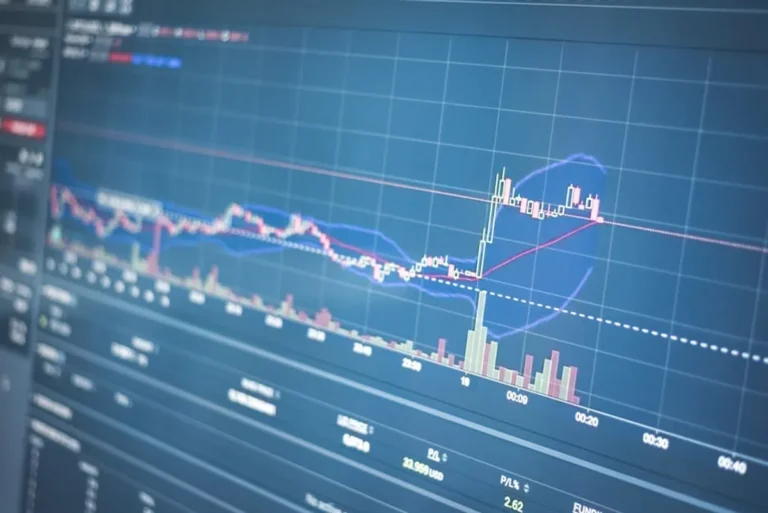
Technical analysis (TA) involves studying past price action and volume data to forecast future movements. Common indicators used for XRP include:
- Moving Averages (MAs): Crossovers between short-term (e.g., 50-day) and long-term (e.g., 200-day) MAs can signal trend changes.
- Relative Strength Index (RSI): Identifies overbought or oversold conditions, suggesting potential reversals.
- MACD (Moving Average Convergence Divergence): Helps discern momentum and potential trend shifts.
- Bollinger Bands: Indicate volatility and potential price extremes relative to a moving average.
Traders often combine these indicators to confirm signals and reduce false positives, focusing on XRP's specific chart patterns and historical reactions to support and resistance levels.
On-Chain Metrics
On-chain data provides insights into the actual activity on the XRP Ledger, offering a more fundamental view of network health and usage. Key metrics include:
- Active Addresses: An increase can suggest growing network utility and user adoption.
- Transaction Volume: High transaction volumes, especially when correlated with price movements, can confirm trend strength.
- Whale Holdings: Monitoring large wallet movements can reveal accumulation or distribution patterns by significant holders.
- Network Fees: While XRP transactions are inexpensive, changes in network usage can sometimes be inferred from transaction activity.
These metrics offer a layer of data distinct from speculative trading, providing context on XRP's real-world application and adoption.
News and Sentiment Analysis
Market sentiment, heavily influenced by news and social media, can create rapid price shifts for XRP. Positive announcements regarding Ripple's partnerships, ODL corridor expansion, or favorable regulatory news often lead to price surges. Conversely, negative news, such as adverse legal developments or security concerns, can trigger sharp declines. Sentiment analysis tools, which gauge the overall mood across social media and news outlets, are used by some traders to anticipate these reactions. However, the speed of information dissemination requires quick decision-making.
What Experienced Traders Monitor
Beyond general trends, specific elements receive heightened attention from seasoned XRP traders due to their direct and often immediate impact.
Volume and Liquidity
High trading volume indicates strong market interest and liquidity, making it easier to enter or exit positions without significant price slippage. A sudden spike in volume, especially accompanying a price breakout or breakdown, often confirms the strength of the move. Low volume, conversely, can suggest weak conviction and make XRP more susceptible to large price swings from smaller trades. Traders monitor volume across major exchanges to assess the overall health and depth of the XRP market.
Exchange Listings and Delistings
The availability of XRP on various trading platforms directly impacts its accessibility and liquidity. New listings on prominent exchanges can introduce XRP to a wider audience, potentially increasing demand and price. Conversely, delistings, particularly from major platforms, can reduce liquidity and signal regulatory or operational concerns, often leading to immediate price depreciation. The legal status of XRP heavily influences exchange decisions, making these announcements critical watch points.
Ripple's Strategic Partnerships and Developments
Ripple's core business model revolves around facilitating cross-border payments for financial institutions using its technology, often leveraging XRP. Announcements of new partnerships, successful pilot programs, or expansions into new geographic markets directly validate XRP's utility and can positively influence its price. Traders analyze these developments for their potential to increase ODL adoption and, consequently, demand for XRP.
Regulatory Updates and Legal Proceedings
The outcome of Ripple's legal battles, particularly with the SEC, remains a primary driver of XRP's market sentiment. Any significant court filings, rulings, or settlement discussions are closely scrutinized. Beyond the SEC case, global regulatory developments concerning digital assets, stablecoins, and cross-border payments can also shape the environment for XRP and Ripple's operations, impacting its long-term viability and price potential.
Navigating XRP's Volatility
XRP, like many cryptocurrencies, exhibits significant price volatility. Traders must develop strategies to manage risk and capitalize on market movements without undue exposure.
Pro Tip: When monitoring XRP, always cross-reference technical signals with fundamental news and on-chain data. A strong technical setup might be invalidated by an unexpected regulatory announcement, or a positive news story might lack follow-through if on-chain activity doesn't confirm increased adoption. Relying on a single data point can lead to misinterpretations and increased risk.
Actionable Insights for Monitoring XRP
For those actively tracking XRP, a multi-faceted approach yields the most comprehensive understanding of its market dynamics. Establish a routine for checking key data sources. This includes regularly reviewing reputable crypto news outlets for regulatory updates and Ripple announcements, analyzing price charts with technical indicators on preferred trading platforms, and consulting on-chain data aggregators for insights into network activity. Prioritize understanding the interplay between these factors rather than isolating them. Develop a clear risk management strategy that accounts for XRP's known volatility, setting realistic expectations for both potential gains and losses. Consistent, informed monitoring allows for more strategic decision-making in a rapidly evolving market.
Frequently Asked Questions about XRP
What is XRP primarily used for?
XRP is primarily designed as a fast, low-cost, and scalable digital asset to facilitate cross-border payments and remittances, acting as a bridge currency for financial institutions using Ripple's On-Demand Liquidity (ODL) solution.
How does Ripple's escrow account affect XRP's price?
Ripple holds a significant portion of XRP in escrow, releasing a controlled amount each month. This managed release aims to provide predictability and prevent sudden supply shocks, but the actual circulating supply at any given time can influence price dynamics based on market demand.
Is XRP considered a security?
The classification of XRP as a security is a subject of ongoing legal debate, particularly in the United States with the SEC's lawsuit against Ripple. Different jurisdictions have varying interpretations, which significantly impacts its regulatory status and market accessibility.
What role do partnerships play in XRP's value?
New partnerships with financial institutions or payment providers that adopt Ripple's ODL solution directly increase the demand for XRP, as it is used to source liquidity for these transactions. This adoption can positively influence XRP's utility and, consequently, its market value.