
The live casino sector continues its rapid evolution, driven by technological advancements and shifting player expectations. For operators, affiliates, and content strategists, understanding these emerging trends is not merely academic; it’s a direct determinant of market share, player acquisition costs, and long-term retention. The ability to identify and adapt to these shifts dictates whether a platform remains competitive or gets left behind in a saturated market. This analysis focuses on the tangible developments shaping live dealer experiences, offering a framework for strategic planning and content optimization.
Advanced Immersive Experiences and Production Quality
The baseline expectation for live casino games has moved beyond simple webcams and basic studios. Today’s players demand a broadcast-quality experience, mirroring high-stakes television productions. This trend is a direct response to the need for greater engagement and differentiation in a crowded market.
Studio Design and Camera Angles
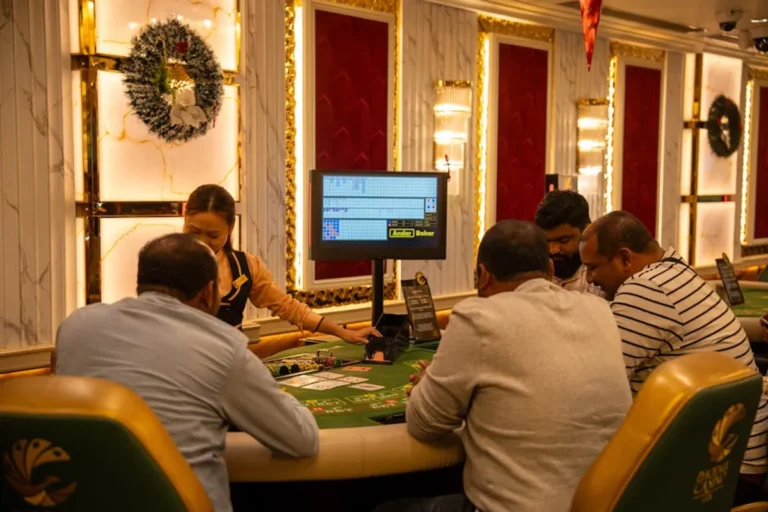
Modern live casino studios are meticulously designed, often featuring themed environments that evoke the atmosphere of a physical casino or a bespoke game show set. Multiple 4K cameras provide dynamic perspectives, including close-ups of card shuffles, roulette wheel spins, and dealer interactions. This visual richness enhances transparency and trust, as players can observe every action from various viewpoints. The commercial impact is clear: a superior visual presentation reduces perceived latency and increases player immersion, leading to longer session durations and higher average bets.
Professional Dealers and Presenters
The role of the live dealer has expanded significantly. Beyond managing gameplay, dealers often act as engaging presenters, capable of fostering social interaction and maintaining a lively atmosphere. Training now includes elements of showmanship, multilingual capabilities, and an understanding of player psychology. This human element is a critical differentiator, as it builds rapport and community, directly influencing player loyalty and repeat visits. For affiliates, highlighting the quality of dealer interaction can be a compelling selling point.
Augmented Reality (AR) and Virtual Reality (VR) Integration
While still in nascent stages for widespread adoption, AR and VR technologies are beginning to carve out niches within live casino. AR overlays can enrich the game interface with dynamic statistics, interactive elements, and personalized notifications without requiring specialized hardware. VR, though more demanding, offers fully immersive environments where players can "sit" at a virtual table. The strategic value lies in future-proofing and attracting tech-forward demographics, providing a unique, cutting-edge experience that competitors may not yet offer. Early adopters can position themselves as innovators.
Game Show Formats and Hybrid Experiences
A significant shift is the blending of traditional casino mechanics with popular game show elements, creating hybrid experiences that appeal to a broader entertainment-seeking audience, not just hardcore gamblers.
Evolution of Classic Table Games
Traditional games like Roulette, Blackjack, and Baccarat are being reimagined with added bonus rounds, multipliers, and interactive features. For example, Lightning Roulette incorporates random multipliers on certain numbers, injecting an element of unpredictability and higher payout potential. This evolution keeps classic games fresh and attracts players looking for more dynamic gameplay. It effectively expands the addressable market by appealing to those who might find traditional table games too staid.
Interactive Elements and Bonus Rounds
Dedicated live game shows, often hosted by charismatic presenters, are a rapidly growing segment. Titles like "Dream Catcher," "Monopoly Live," and "Crazy Time" combine simple mechanics (e.g., spinning a wheel) with elaborate bonus rounds, engaging visuals, and high energy. These games prioritize entertainment value, social interaction, and the potential for large, albeit infrequent, payouts.
- Increased entertainment value: Attracts casual players and those seeking a social, less intimidating gambling experience.
- Higher player retention: The interactive nature and frequent bonus opportunities keep players engaged for longer periods.
- Cross-promotional opportunities: Leverages popular intellectual properties (e.g., Monopoly) to draw in established fan bases.
This trend is particularly valuable for affiliates, as these games often generate significant buzz and are highly shareable content.
Mobile-First Optimization and Accessibility
Mobile devices now account for the majority of online gambling activity. Any live casino offering that does not prioritize mobile experience is inherently limiting its market reach and profitability.
Seamless Cross-Device Play
Players expect to transition effortlessly between desktop, tablet, and smartphone without loss of functionality or visual fidelity. This requires responsive design, optimized streaming protocols, and consistent user interfaces across all platforms. A fragmented experience leads to player frustration and churn.
User Interface (UI) and User Experience (UX) for Smaller Screens
Designing for mobile means more than just shrinking a desktop interface. It involves rethinking button placement, information density, and interactive elements to suit touch-screen navigation and smaller displays. Features like portrait mode optimization, intuitive betting panels, and clear video feeds are critical. A superior mobile UX directly translates to higher conversion rates for new players and improved retention for existing ones, as accessibility and ease of use become paramount.
Pro Tip: Focus on player feedback loops. Regular surveys, in-game polls, and direct support interactions provide invaluable data on what players want and what frustrates them. This qualitative data, combined with quantitative analytics, forms the bedrock of truly player-centric development and content strategy. Ignoring direct player input can lead to misaligned product development and wasted resources.
Personalization and Customization
As the market matures, generic experiences are less effective. Personalization is emerging as a key driver of player loyalty and lifetime value.
Tailored Game Recommendations
Leveraging AI and machine learning, platforms can now analyze player behavior to offer personalized game recommendations, promotions, and even preferred dealers. This predictive capability ensures players are consistently presented with content relevant to their interests, increasing engagement and reducing decision fatigue. For marketing teams, this means more effective targeting and higher conversion rates on promotional campaigns.
Customizable Player Environments
Some advanced platforms allow players to customize aspects of their live casino experience, such as preferred camera angles, betting limits, or even the background music. While subtle, these features contribute to a sense of ownership and comfort, making the player feel more valued and invested in the platform. This level of customization fosters a stronger emotional connection, which is crucial for long-term retention.
Cryptocurrency Integration and Blockchain Technologies
The adoption of cryptocurrencies continues to expand, and the live casino sector is increasingly exploring its potential.
Crypto Payments and Withdrawals
Offering deposits and withdrawals in various cryptocurrencies (e.g., Bitcoin, Ethereum, Litecoin) caters to a growing segment of tech-savvy players who value anonymity, lower transaction fees, and faster processing times. This expands the potential player base and can provide a competitive edge in certain markets. For affiliates, promoting crypto-friendly platforms opens up new audience segments.
Provably Fair Gaming
Blockchain technology can facilitate "provably fair" gaming, where the outcome of each game round can be independently verified by the player using cryptographic proofs. While more prevalent in RNG games, the principles are being explored for live dealer applications to enhance transparency and trust. This feature directly addresses player skepticism and builds a stronger foundation of credibility, which is a powerful retention tool.
Navigating the Evolving Live Casino Landscape
The live casino market is dynamic, characterized by rapid innovation and fierce competition. Success hinges on a proactive approach to technology adoption, a deep understanding of player preferences, and a commitment to delivering high-quality, engaging experiences. Operators and affiliates must continuously monitor these trends, assess their commercial implications, and adapt their strategies to capitalize on new opportunities. Prioritizing immersive experiences, mobile optimization, personalization, and exploring emerging technologies like AR/VR and blockchain will be critical for maintaining relevance and achieving sustainable growth.
Frequently Asked Questions
What is the biggest driver of innovation in live casino games?
The primary driver is intense competition for player engagement and retention. Providers constantly innovate with new game formats, enhanced production values, and technological integrations (like AR/VR) to differentiate their offerings and capture player interest in a crowded market.
How do mobile trends impact live casino game development?
Mobile trends dictate a "mobile-first" development approach. This means optimizing UI/UX for smaller screens, ensuring seamless cross-device compatibility, and prioritizing efficient streaming to deliver a high-quality experience regardless of the device used. Poor mobile performance directly impacts player acquisition and retention.
Are game show formats replacing traditional live dealer games?
No, game show formats are not replacing traditional live dealer games but rather complementing them. They expand the market by appealing to a broader audience seeking entertainment and social interaction beyond classic table games. Traditional games remain popular with purists, while game shows attract a new demographic, leading to overall market growth.
Why is personalization becoming crucial in live casino?
Personalization is crucial for increasing player loyalty and lifetime value. By tailoring game recommendations, promotions, and even aspects of the player environment based on individual preferences, platforms can create a more engaging and relevant experience, making players feel valued and encouraging longer-term commitment.