
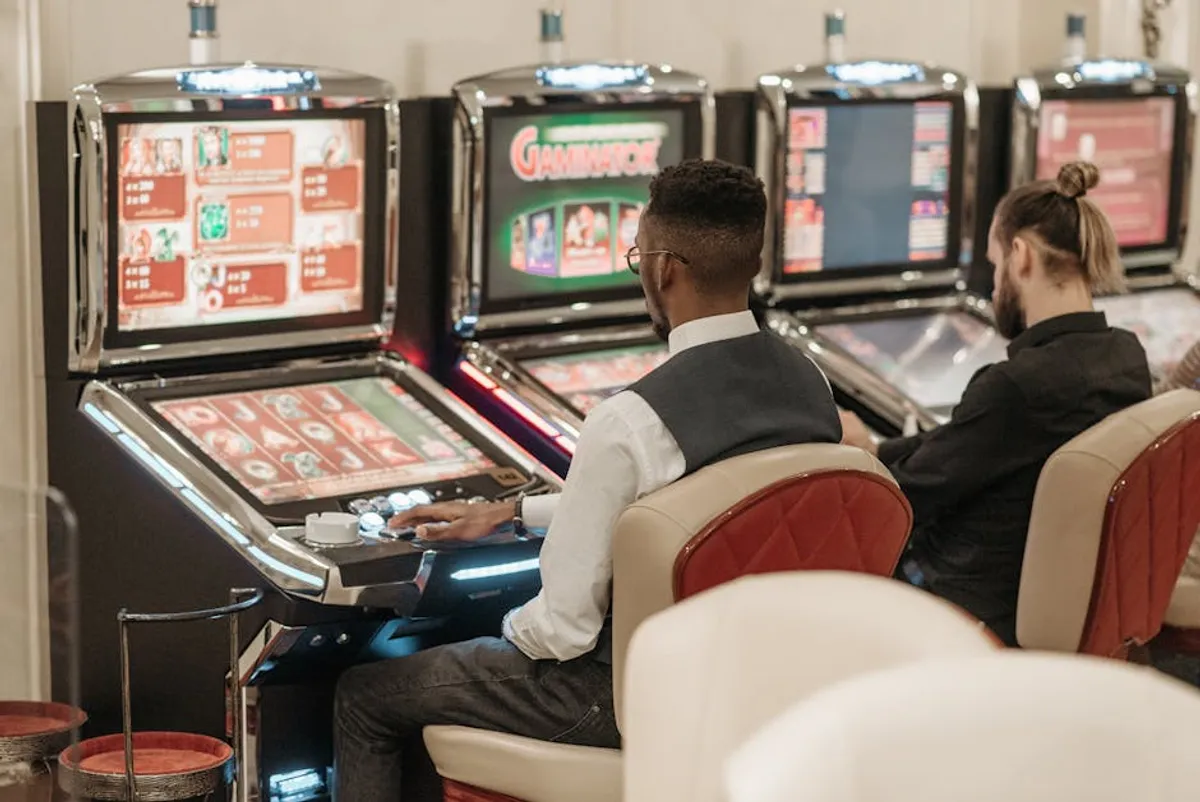
The landscape of online gaming continually evolves, with live casino games representing a significant leap in player immersion and engagement. For operators, understanding and implementing best practices is not merely about staying competitive; it is fundamental to building a sustainable, profitable, and compliant offering. This requires a multi-faceted approach, balancing cutting-edge technology with meticulous operational oversight, strategic marketing, and unwavering commitment to regulatory standards. The goal is to replicate the authentic casino experience online, ensuring both player satisfaction and business longevity. Understanding the mechanics of how live casino games operate is key for players seeking an authentic experience.
Optimizing the Player Experience
Player experience dictates retention and lifetime value in live casino environments. A superior experience is built on technical stability, engaging human interaction, and diverse game offerings.
Seamless Streaming and Interface Design
High-definition video streams delivered with minimal latency are paramount. Players expect a real-time connection to the game table, free from buffering or visual artifacts. This necessitates robust content delivery networks (CDNs) and optimized server infrastructure to handle peak traffic without performance degradation. The user interface must be intuitive, allowing players to place bets, interact with the dealer, and access game rules effortlessly on both desktop and mobile devices. A cluttered or unresponsive interface directly leads to player frustration and early session termination.
- Video Quality: Aim for 1080p or 4K resolution at 60 frames per second for visual clarity.
- Low Latency: Sub-second latency ensures real-time interaction and prevents misclicks.
- Mobile Responsiveness: Adaptive design for seamless play across smartphones and tablets, accounting for touch controls and screen real estate.
- Intuitive UI: Clear betting areas, accessible chat functions, and easily navigable game history.
Engaging Dealers and Game Hosts
The human element is a core differentiator for live casino games. Dealers and game hosts are the face of the operation, directly influencing player perception and engagement. Comprehensive training covers not only game mechanics but also soft skills like communication, charisma, and conflict resolution. Multilingual dealers expand market reach and cater to diverse player demographics, fostering a more inclusive and personalized experience.
Pro Tip: Implement regular, structured feedback loops for dealer performance, incorporating player ratings and observational audits. This ensures consistent quality and identifies areas for continuous improvement in player interaction and game flow management.
Game Variety and Innovation
A diverse portfolio of live games caters to a broader audience and prevents player fatigue. Beyond classic roulette, blackjack, and baccarat, incorporating popular game shows, unique poker variants, and localized tables (e.g., Hindi roulette, specific regional card games) can significantly boost engagement. Regular introduction of new titles and features demonstrates innovation and provides fresh content for marketing efforts.
Operational Excellence and Reliability
Underpinning a compelling player experience is an operationally sound and reliable infrastructure. This includes robust technology, stringent security, and responsive customer support.
Robust Technology Infrastructure
The technical backbone must support high volumes of concurrent players, secure data transmission, and uninterrupted service. This involves redundant servers, failover systems, and advanced networking solutions to minimize downtime. Regular penetration testing and vulnerability assessments are critical to identify and remediate potential security weaknesses before they can be exploited.
Fraud Prevention and Fair Play
Maintaining trust is paramount. Implementing sophisticated Know Your Customer (KYC) protocols, real-time fraud detection systems, and anti-collusion measures protects both the operator and legitimate players. While live games rely on physical cards and wheels, transparency in game rules, clear display of outcomes, and independent auditing of game processes reinforce fairness. For any digital elements, such as random number generators for side bets, certification by accredited testing laboratories is essential.
24/7 Support and Problem Resolution
Players require immediate assistance, especially given the real-time nature of live games. Offering 24/7 multi-channel support (live chat, email, phone) with rapid response times and knowledgeable agents is non-negotiable. Effective escalation procedures ensure complex issues are resolved efficiently, minimizing player frustration and potential churn. Proactive communication during technical incidents also builds trust.
Marketing and Acquisition Strategies
Effective marketing is crucial for attracting and retaining players in a competitive live casino market. Strategies must be targeted, localized, and compliant.
Content Localization and SEO
To penetrate specific markets, content must be localized beyond simple translation. This includes optimizing for local search terms, understanding cultural nuances in game preferences, and tailoring promotional messages. Creating localized landing pages and game descriptions in relevant languages improves organic visibility and conversion rates within target regions.
Promotional Offers and Bonuses
Tailored bonuses for live casino games, such as cashback on live losses, specific table game match bonuses, or free chips for new live game releases, can drive acquisition and re-engagement. Clear, transparent terms and conditions are vital to manage player expectations and ensure compliance with advertising regulations. Integrating responsible gambling messaging within promotions reinforces ethical operations.
Affiliate and Partnership Programs
Strategic partnerships with reputable affiliates can significantly extend reach. Performance-based models, coupled with strict compliance checks on affiliate marketing practices, ensure both brand protection and effective player acquisition. Collaborating with streaming platforms or influencers specializing in casino content can also tap into new, engaged audiences.
Regulatory Compliance and Responsible Gaming
Adherence to regulatory frameworks and a commitment to responsible gaming are non-negotiable pillars for long-term success.
Licensing and Jurisdictional Requirements
Operating live casino games requires obtaining and maintaining licenses from relevant gambling authorities. Each jurisdiction has specific requirements regarding game fairness, data security, player protection, and advertising. Compliance involves continuous monitoring of regulatory changes and adapting operations accordingly. Age verification protocols must be robust to prevent underage access.
Responsible Gaming Tools and Policies
Providing players with tools to manage their play is a critical ethical and regulatory obligation. This includes self-exclusion options, deposit limits, loss limits, and reality checks. Clear communication about responsible gaming resources and support organizations demonstrates a commitment to player welfare, building a trustworthy brand image.
Integrating for Sustainable Growth
The success of live casino games hinges on a holistic, integrated approach. Technical prowess must meet human engagement, supported by robust operations and ethical marketing, all within a framework of strict regulatory compliance. Focusing on these best practices creates a superior player experience, fosters trust, and ultimately drives sustainable commercial growth in a dynamic and competitive market.
Frequently Asked Questions
What is the most critical factor for live casino game success?
The most critical factor is delivering a consistent, high-quality player experience, which encompasses seamless streaming, engaging dealers, and a diverse game selection, as these directly impact player retention and satisfaction.
How do live casino games differ from traditional online casino games in terms of best practices?
Live casino games introduce the complexity of real-time video streaming, human interaction with dealers, and managing physical game equipment, requiring additional best practices in technology infrastructure, dealer training, and operational oversight compared to purely RNG-driven online games.
What role does technology play in live casino game best practices?
Technology is foundational, enabling high-definition, low-latency streaming, secure data transmission, robust server capacity, and intuitive user interfaces, all of which are essential for a reliable and immersive player experience.
How important is localization for live casino games?
Localization is highly important as it allows operators to cater to specific regional preferences, languages, and cultural nuances, significantly improving market penetration, player engagement, and conversion rates.