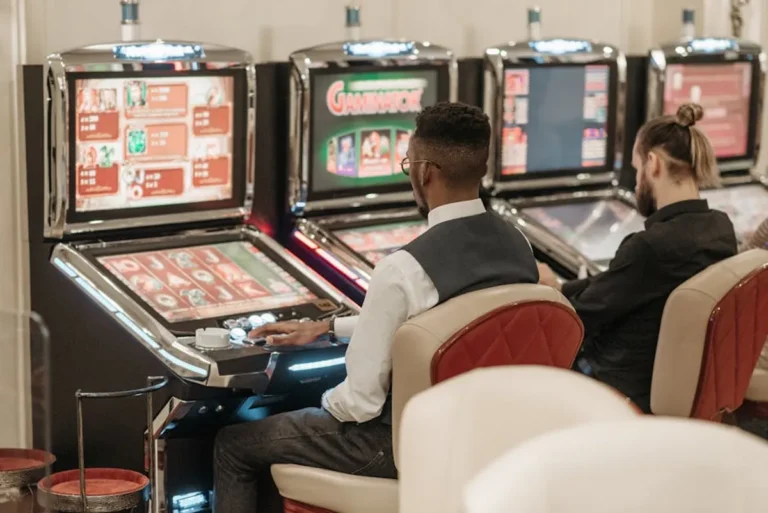
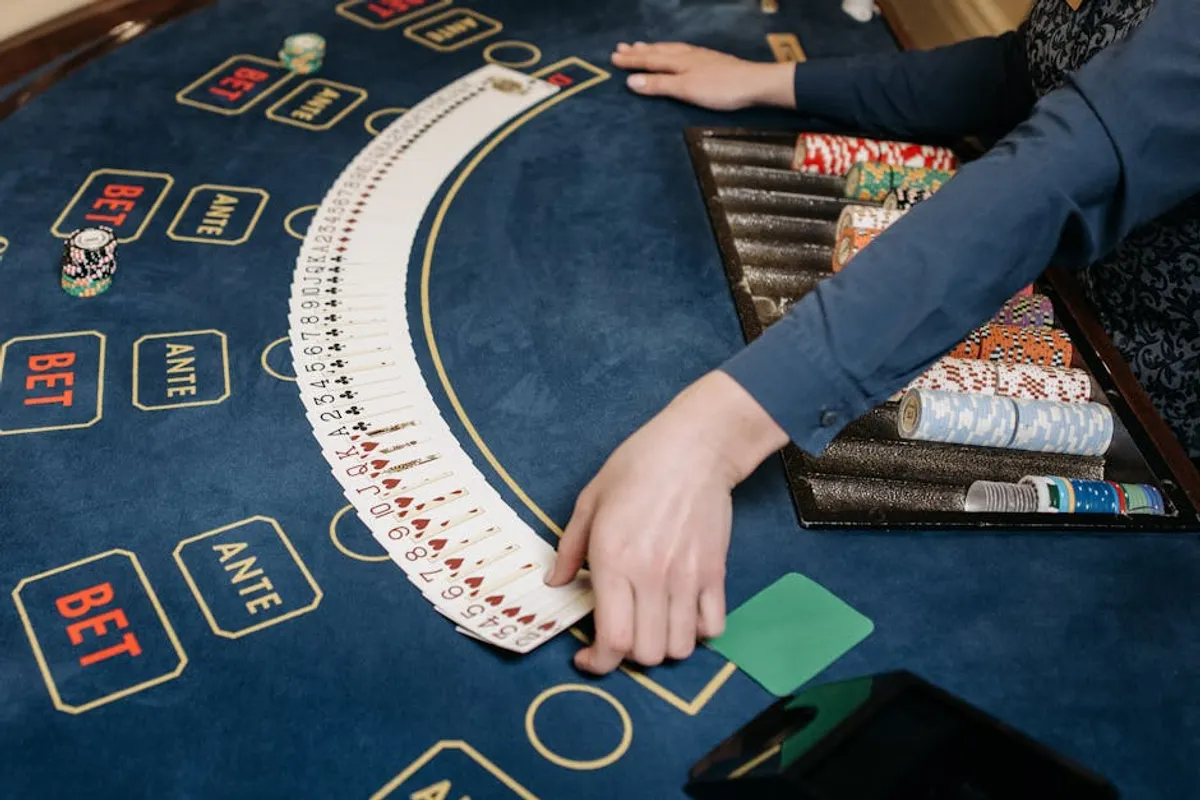
Live casino games bridge the gap between traditional brick-and-mortar establishments and digital platforms, offering an interactive, real-time gambling experience. For operators, understanding the diverse range of live dealer options is crucial for market positioning and player acquisition. These games leverage high-definition video streaming, professional human dealers, and sophisticated user interfaces to deliver authenticity and engagement, directly influencing player retention and average revenue per user. The commercial value lies in replicating the social and atmospheric elements of a physical casino, which static, algorithm-driven online games cannot fully achieve.
The Appeal of Live Dealer Formats
The core appeal of live dealer games stems from their transparency and interactive nature. Players observe actual cards being dealt or a physical roulette wheel spinning, which builds trust by eliminating concerns about random number generator (RNG) fairness. Furthermore, the human element, through direct interaction with dealers and sometimes other players via chat functions, transforms a solitary online activity into a more social and immersive event. This enhanced engagement directly contributes to longer play sessions and increased player lifetime value. Operators benefit from the diverse portfolio live games offer, attracting different player segments—from those seeking classic table game fidelity to those interested in innovative, game-show style entertainment.
Core Live Casino Game Categories and Examples
Classic Table Games
These represent the foundation of any live casino offering, replicating the most popular games found on casino floors worldwide. The live format enhances their appeal by providing a tangible, real-world feel.
Live Roulette
Live Roulette is a cornerstone of live casino offerings, featuring a physical wheel and ball spun by a human dealer. Players place bets on a digital interface, with results determined by the actual outcome on the wheel. This format offers several popular variations:
- European Roulette: Features a single zero, offering a lower house edge (2.7%) compared to its American counterpart, making it a player favorite.
- American Roulette: Includes both a single and double zero, increasing the house edge (5.26%). While less favorable to players, it remains popular in specific markets.
- French Roulette: Similar to European Roulette with a single zero, but often includes "La Partage" or "En Prison" rules, which return half of even-money bets if the ball lands on zero, further reducing the effective house edge.
- Immersive Roulette: Utilizes multiple camera angles and slow-motion replays of the ball landing, enhancing visual engagement and providing a cinematic experience.
Commercial Value: High player engagement due to visual transparency and multiple betting options. Different variants cater to diverse player preferences for risk and house edge.
Live Blackjack
Live Blackjack replicates the classic card game where players aim to beat the dealer's hand without exceeding 21. A human dealer shuffles and deals physical cards from a shoe. The live format supports various rulesets and table capacities:
- Standard Live Blackjack: Typically seats seven players, with options for "Bet Behind" allowing additional players to wager on the outcome of a seated player's hand.
- Speed Blackjack: Accelerates gameplay by dealing cards to players simultaneously, allowing them to make decisions before the player to their right. This increases hands per hour for both players and operators.
- Infinite/Unlimited Blackjack: Accommodates an unlimited number of players at a single table by dealing a common hand, with players making individual decisions on how to play it. This maximizes scalability for operators.
Commercial Value: High player interaction, strategic depth, and the ability to scale capacity with innovative variants make Blackjack a high-volume live game.
Live Baccarat
Live Baccarat maintains the elegance and fast-paced nature of its land-based counterpart. Players bet on the "Player," "Banker," or a "Tie." The dealer manages the game, dealing cards from a shoe. Key live variations include:
- Punto Banco: The most common variant, where players bet on the outcome and the dealer follows fixed rules for drawing cards.
- Baccarat Squeeze: Adds dramatic tension by having the dealer slowly reveal the cards, particularly the "squeeze" of high-value cards, mimicking the ritual in VIP baccarat rooms.
- Control Squeeze Baccarat: Allows players to virtually "squeeze" the cards themselves via the user interface, offering a heightened level of interaction and perceived control.
Commercial Value: Appeals to both high rollers and casual players due to its simplicity and fast rounds. Squeeze variants enhance the entertainment value, driving engagement.
Live Poker Variants
Unlike peer-to-peer poker, live casino poker variants are played against the house (dealer). These games focus on specific poker hands and simplified betting structures.
- Casino Hold'em: Players aim to beat the dealer's hand with two hole cards and five community cards. It's a popular entry point due to its familiarity with Texas Hold'em.
- Three Card Poker: A fast-paced game where players receive three cards and try to beat the dealer's three-card hand. Offers high payout potential for strong hands.
- Caribbean Stud Poker: Players receive five cards and compete against the dealer's five-card hand, often featuring a progressive jackpot side bet.
Commercial Value: Attracts players seeking poker-style action without the complexity of multi-player strategy, offering a clear house edge and potential for large payouts.
Innovative Game Shows and Specialty Titles
Beyond traditional table games, live casino providers have introduced game-show style formats that blend gambling with entertainment, appealing to a broader audience.
Live Game Shows
These games combine elements of popular TV game shows with casino betting mechanics, often featuring large, colorful wheels, interactive hosts, and bonus rounds.
- Dream Catcher: A money wheel game where players bet on which number the wheel will stop on, with multipliers offering higher payouts.
- Crazy Time: An evolution of Dream Catcher, featuring a larger wheel with multiple bonus rounds (e.g., Cash Hunt, Pachinko, Coin Flip, Crazy Time) offering significant multipliers and interactive segments.
- Monopoly Live: Integrates the classic board game with a money wheel, featuring a 3D Monopoly board for bonus rounds where players can win large multipliers.
- Deal or No Deal Live: Based on the popular TV show, players qualify through a RNG round, then proceed to a live studio game where they choose briefcases and negotiate with the Banker.
Commercial Value: High entertainment factor, broad appeal beyond traditional casino players, and potential for viral marketing due to their unique interactive elements.
Other Niche Live Games
These titles cater to specific player preferences or introduce unique betting mechanics.
- Live Sic Bo: An ancient Chinese dice game where players bet on the outcome of three dice shaken in a dome. Offers a wide range of betting options with varying odds.
- Live Dragon Tiger: A simplified version of Baccarat, where players bet on which of two cards (Dragon or Tiger) will be higher, or if it will be a Tie. Fast-paced and easy to learn.
- Live Craps: Replicates the dynamic dice game with a live dealer managing the table and calls. This complex game is made accessible through clear UI and betting guides.
Commercial Value: Diversifies the game portfolio, attracts players from different cultural backgrounds, and provides alternatives to mainstream table games.
Key Considerations for Live Game Offerings
When curating a live casino game selection, operators must prioritize several factors to ensure a premium player experience and commercial success:
Stream Quality and Latency: High-definition video and minimal latency are non-negotiable. A seamless, uninterrupted stream is critical for maintaining player immersion and trust. Any lag or pixelation degrades the experience and can lead to player churn.
Dealer Professionalism and Engagement: Dealers are the face of the live casino. Their professionalism, ability to engage with players, and game knowledge directly impact player satisfaction and retention. Training and ongoing performance monitoring are essential.
User Interface (UI) and User Experience (UX): An intuitive and responsive UI across all devices (desktop, mobile, tablet) is vital. Clear betting options, accessible chat functions, and easy access to game rules enhance the UX. Mobile optimization is particularly important given the prevalence of mobile gaming.
Game Variety and Table Limits: Offering a diverse range of games, including classic variants and innovative game shows, caters to a broader audience. Providing a spectrum of table limits, from low stakes for casual players to high roller VIP tables, ensures inclusivity and maximizes potential revenue.
Pro Tip: Evaluate live casino game providers not just on the breadth of their game library, but critically on their infrastructure's ability to handle peak player loads without performance degradation. Scalability and global server distribution directly impact player experience and operational stability, especially during high-traffic promotional periods.
Maximizing Engagement with Live Casino Games
To fully leverage the commercial potential of live casino games, strategic implementation is key. Operators should focus on seamless integration of live dealer lobbies into their platforms, ensuring easy discoverability. Promotional campaigns specifically highlighting the interactive elements and unique game show features can attract new players. Furthermore, offering localized dealers and language options can significantly enhance the experience for specific geographic markets, fostering a stronger connection with players. Regular updates to the game library, including new titles and seasonal promotions, keep the offering fresh and encourage repeat visits, ultimately driving long-term player value and market share.
Frequently Asked Questions
What technology powers live casino games?
Live casino games are powered by advanced video streaming technology, optical character recognition (OCR) to digitalize physical game outcomes, and sophisticated game control units (GCUs) that encode the live video feed and manage the game interface.
Are live casino games fair?
Yes, live casino games are considered fair because they use physical equipment (cards, wheels, dice) operated by human dealers in real-time, which players can observe directly via video stream, eliminating concerns about software manipulation.
Can I play live casino games on my mobile device?
Most modern live casino games are fully optimized for mobile play, designed with responsive interfaces that adapt to various screen sizes and operating systems, allowing players to access games on smartphones and tablets.
What are the typical betting limits in live casino games?
Betting limits in live casino games vary widely, ranging from very low minimums (e.g., $0.10 or $0.50) to high maximums ($5,000 or more) on VIP tables, accommodating both casual players and high rollers.