

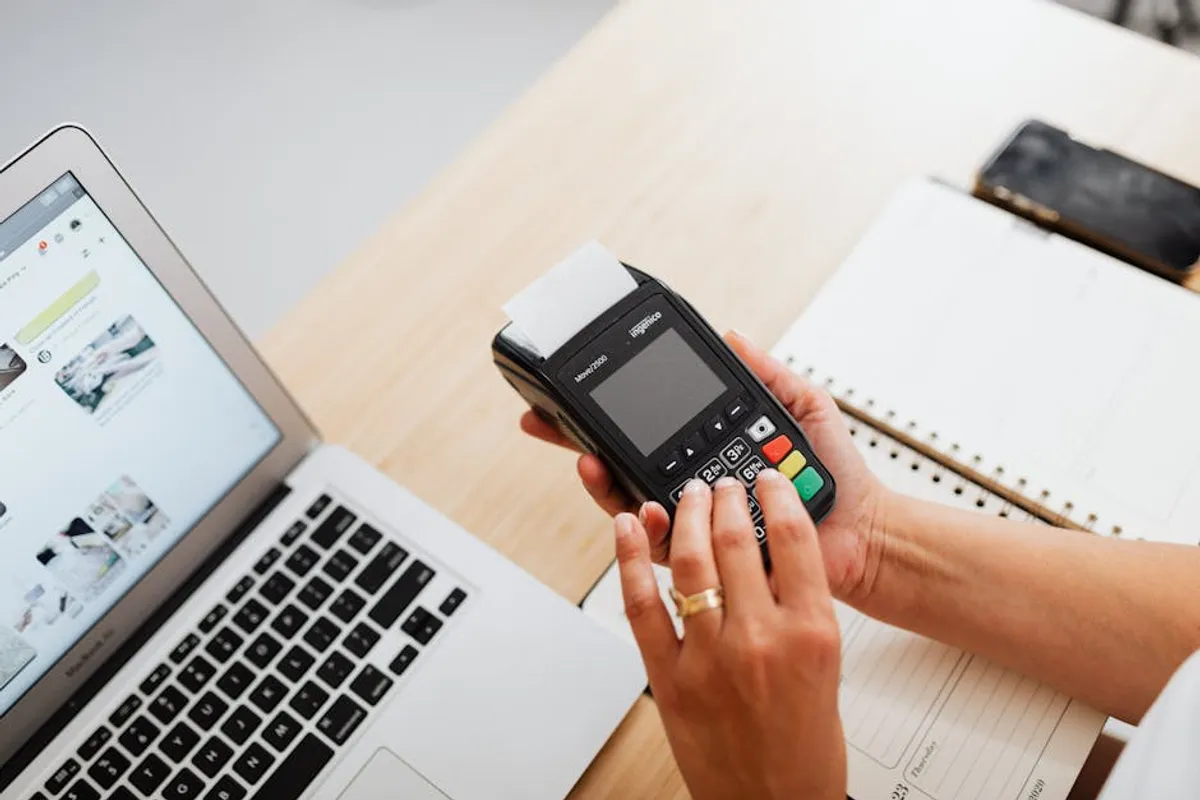
Selecting the appropriate payment method for online transactions is a critical decision that impacts not only convenience but also security, transaction speed, and potential costs. For players, this choice directly influences how quickly funds are available for play and how efficiently winnings can be accessed. This analysis compares the primary categories of payment options: traditional credit and debit cards, modern e-wallets, and emerging cryptocurrencies, detailing the practical implications of each for users.
Credit and Debit Cards: Familiarity and Broad Acceptance
Credit and debit cards, primarily Visa and Mastercard, represent the most widely accepted and familiar payment method. Their ubiquity stems from decades of consumer use in both online and offline commerce, providing a straightforward deposit process for most users.
- Deposit Speed: Deposits are typically instant, allowing immediate access to funds for play.
- Withdrawal Speed: Withdrawals usually take 3-5 business days to process and reflect in the user's bank account, due to banking system protocols.
- Security: Transactions are protected by bank-level security protocols, including fraud monitoring and chargeback options. However, users directly share their card details with the merchant.
- Fees: While direct deposit fees are rare, some banks may categorize deposits as cash advances, incurring additional charges. Currency conversion fees may also apply for international transactions.
- Privacy: Transactions appear on bank statements, which may be a consideration for users prioritizing discretion. Some financial institutions may flag or decline gambling-related transactions.
Best for: Users prioritizing convenience, high deposit limits, and familiarity with established banking systems, who are less concerned with withdrawal speed or bank statement privacy.
E-Wallets: Speed, Security, and Intermediary Protection
E-wallets such as PayPal, Skrill, Neteller, MuchBetter, and ecoPayz act as digital intermediaries, holding funds and facilitating transactions without directly exposing bank details to the merchant. This layer of abstraction offers enhanced security and often faster processing times.
PayPal, Skrill, and Neteller
These e-wallets are prominent due to their long-standing presence and broad acceptance. PayPal offers robust buyer protection, while Skrill and Neteller are particularly popular within the online gambling sector, often featuring competitive transaction limits.
- Deposit Speed: Deposits are instant once the e-wallet account is funded.
- Withdrawal Speed: Withdrawals are significantly faster than cards, often processing within 24 hours. This speed is a key differentiator for e-wallet users.
- Security: Users do not share bank or card details directly with the merchant, enhancing privacy and reducing the risk of data compromise. E-wallets employ advanced encryption and fraud prevention measures.
- Fees: E-wallets may charge fees for funding the e-wallet itself, for withdrawals from the e-wallet to a bank account, or for currency conversions. These fees vary by provider and transaction type.
- Privacy: Transactions appear on the e-wallet statement, not directly on the bank statement, offering a layer of discretion.
Best for: Users valuing fast withdrawals, enhanced security, and a degree of privacy, who are comfortable managing an additional digital account and potential transaction fees.
MuchBetter and ecoPayz
These newer e-wallet solutions often focus on mobile-first experiences and can offer competitive fee structures. They are gaining traction for their user-friendly interfaces and dedicated apps.
- Deposit Speed: Instant.
- Withdrawal Speed: Typically within 24 hours.
- Security: Strong encryption and security protocols, often including biometric authentication for mobile access.
- Fees: Generally competitive, with some providers offering lower fees for certain transaction types or loyalty programs.
- Privacy: Similar to other e-wallets, transactions are masked from direct bank statements.
Best for: Mobile users seeking efficient, secure transactions with potentially lower fees, who appreciate modern app-based interfaces.
Pro Tip: Always check the terms and conditions of any bonus offer, as some promotions specifically exclude deposits made via certain e-wallets (e.g., Skrill or Neteller) from qualifying for the bonus. Confirm eligibility before depositing.
Cryptocurrencies: Anonymity, Decentralization, and Speed
Cryptocurrencies like Bitcoin, Ethereum, and Litecoin offer a decentralized payment alternative. Their appeal lies in enhanced anonymity, often lower transaction costs (network fees notwithstanding), and rapid processing times, particularly for withdrawals.
- Deposit Speed: Deposits are typically instant once confirmed on the blockchain, which can take minutes depending on network congestion and required confirmations.
- Withdrawal Speed: Cryptocurrencies offer the fastest withdrawal times, often processing within minutes to a few hours, depending on network conditions and internal processing.
- Security: Transactions are secured by blockchain cryptography, offering a high level of integrity and resistance to fraud. Users control their private keys, providing direct ownership of funds.
- Fees: Transaction fees are typically network fees paid to miners, which can fluctuate based on network demand. There are generally no direct fees from the merchant for crypto transactions.
- Privacy: Transactions are pseudonymous, meaning they are recorded on a public ledger but are not directly linked to a user's real-world identity unless that information is voluntarily disclosed. This offers a high degree of privacy.
Best for: Tech-savvy users prioritizing anonymity, decentralization, rapid withdrawals, and potentially lower fees, who are comfortable with managing cryptocurrency wallets and understanding asset volatility.
Making an Informed Payment Choice
The optimal payment method aligns with individual priorities regarding transaction speed, security, privacy, and cost. Credit and debit cards offer familiarity but slower withdrawals and less privacy. E-wallets provide a balance of speed, security, and discretion, though some may incur fees or impact bonus eligibility. Cryptocurrencies excel in anonymity and speed, catering to users comfortable with digital assets and their inherent volatility.
Before committing to a payment method, consider the following:
- Withdrawal Speed Requirements: How quickly do you need access to your winnings?
- Security Preferences: Do you prefer direct bank integration or an intermediary layer?
- Privacy Concerns: How important is it that transactions do not appear on your bank statement?
- Fee Tolerance: Are you willing to pay small transaction fees for speed or convenience?
- Bonus Eligibility: Will your chosen method qualify you for welcome bonuses or promotions?
Frequently Asked Questions
Which payment method offers the fastest withdrawals?
Cryptocurrencies generally offer the fastest withdrawals, often processing within minutes to a few hours, followed closely by e-wallets which typically complete transactions within 24 hours.
Are there fees associated with casino payment methods?
Fees can vary significantly. Credit cards might incur cash advance fees from your bank, while e-wallets often charge for funding, withdrawals, or currency conversion. Cryptocurrencies have network fees that fluctuate based on blockchain activity.
Can I use different methods for deposits and withdrawals?
While possible, many platforms prefer or require you to withdraw funds using the same method you used for the deposit, for security and anti-money laundering purposes. Always verify the platform's specific policy.
Are my banking details safe when using cards?
When using credit or debit cards, your transactions are protected by bank-level security and encryption. However, your card details are directly shared with the merchant, which differs from the intermediary protection offered by e-wallets or the pseudonymous nature of cryptocurrencies.



