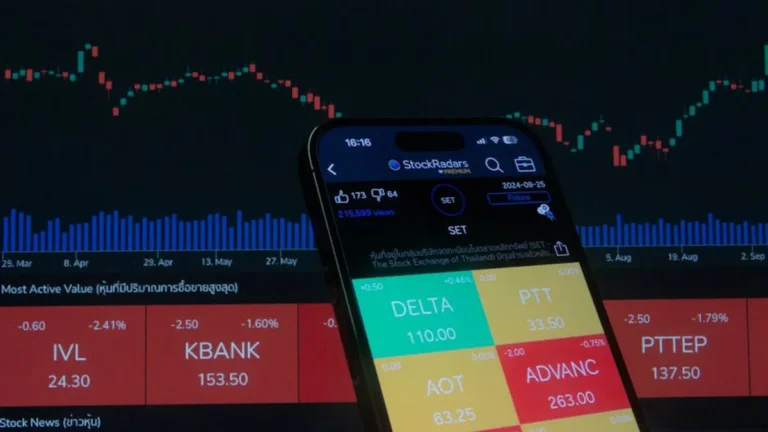
Understanding Bitcoin's price dynamics is critical for anyone operating within or adjacent to the digital asset space. For SEO professionals, marketers, and site owners, price movements, underlying trends, and key drivers dictate audience interest, search query shifts, and the commercial viability of content strategies. A fluctuating Bitcoin price can signal broader market sentiment, influence investment narratives, and reshape the competitive landscape for crypto-related content. Examining these elements offers a framework for anticipating user intent and positioning digital assets effectively.
Current Market Snapshot
Bitcoin’s price action reflects a complex interplay of immediate market forces and long-term structural shifts. Short-term movements are often characterized by volatility, driven by breaking news, technical trading patterns, and liquidity events. Monitoring these daily fluctuations provides a pulse on immediate market sentiment, which can rapidly influence search volume for related terms and the urgency of informational needs among users.
Recent Price Action
Recent price behavior indicates periods of consolidation, punctuated by significant upward or downward swings. These movements are frequently tied to specific catalysts, such as macroeconomic data releases, regulatory announcements, or major institutional investment news. For content creators, understanding the nature of these swings—whether they are sharp corrections, sustained rallies, or range-bound trading—informs the tone and focus of real-time market commentary. Rapid price changes often correlate with spikes in search queries for "Bitcoin price today," "crypto news," or "why is Bitcoin going down/up."
Volume and Volatility Metrics
Trading volume serves as a key indicator of conviction behind price movements. High volume accompanying a price surge suggests strong buying interest, while high volume during a decline can signal significant selling pressure. Conversely, low volume during price changes may indicate weaker sentiment or a lack of market consensus. Volatility, measured by the amplitude of price fluctuations, directly impacts risk perception and trading activity. Elevated volatility often drives increased search interest in price predictions, market analysis, and risk management strategies, providing clear content opportunities for publishers catering to an informed audience.
Underlying Trends Shaping Bitcoin's Value
Beyond daily price fluctuations, several long-term trends exert substantial influence on Bitcoin's perceived value and market trajectory. These macro trends provide a broader context for understanding current price action and anticipating future shifts in user behavior and market focus.
Macroeconomic Influences
Bitcoin's role as a potential inflation hedge or "digital gold" has become a significant narrative, particularly during periods of economic uncertainty. High inflation rates, changes in interest rate policies by central banks, and global geopolitical events can all drive capital flows into or out of Bitcoin. When traditional markets show instability, some investors seek alternative assets, including Bitcoin. Conversely, a strong dollar or rising bond yields can divert capital. Tracking these macroeconomic indicators helps content strategists align their narratives with broader financial discourse, targeting users researching safe-haven assets or alternative investment opportunities.
Adoption Rates and Institutional Flows
The increasing adoption of Bitcoin, both by retail investors and major institutions, is a fundamental driver of its long-term value. Key indicators include the number of active addresses, transaction counts, and the amount of Bitcoin held by institutional funds, such as spot exchange-traded funds (ETFs) in regulated markets. The entry of large financial players legitimizes the asset class and provides substantial capital inflows, often leading to sustained price increases. Content focusing on institutional adoption, regulatory frameworks for ETFs, and corporate treasury allocations resonates with a sophisticated audience seeking validated investment avenues.
Core Drivers of Bitcoin Price Movement
A comprehensive understanding of Bitcoin's price requires dissecting the specific factors that directly compel its value up or down. These drivers are diverse, ranging from intrinsic network mechanics to external market sentiment.
Supply Dynamics and Halving Cycles
Bitcoin's fixed supply cap of 21 million coins and its programmed halving events are fundamental to its scarcity model. Halving events, which occur approximately every four years, reduce the rate at which new Bitcoin enters circulation by cutting miner rewards in half. Historically, these events have preceded significant bull runs due to the sudden reduction in new supply against potentially stable or increasing demand. Content explaining these mechanics, their historical impact, and future implications is highly valuable for users seeking to understand Bitcoin's deflationary characteristics.
Regulatory Developments
Governmental and regulatory stances significantly impact Bitcoin's price. Positive regulatory clarity, such as the approval of spot Bitcoin ETFs in major markets, can open doors for wider institutional and retail participation. Conversely, restrictive regulations, bans, or increased scrutiny can trigger market downturns. The legal and policy landscape is constantly evolving, making news and analysis on new legislation, court rulings, and international cooperation crucial for stakeholders. SEO strategies in this area must account for shifts in legal terminology and policy-related search queries.
Technological Advancements and Network Security
The underlying technology and security of the Bitcoin network are paramount to its value proposition. Updates like Taproot, or ongoing developments in scaling solutions (e.g., Lightning Network), enhance Bitcoin's functionality, efficiency, and usability. The network's robust security, maintained by a decentralized global mining operation, underpins trust. Any perceived threat to this security, or significant technological breakthroughs that improve its utility, can influence market perception and price. Content discussing these technical aspects often targets a more specialized audience interested in the fundamental strength of the protocol.
Market Sentiment and Speculation
While fundamental drivers are crucial, market sentiment and speculative activity often dictate short-term price movements. News cycles, social media trends, influencer opinions, and the "fear and greed" index can rapidly shift investor psychology. High levels of optimism can lead to speculative bubbles, while widespread fear can trigger rapid sell-offs. Understanding these psychological drivers helps in interpreting market volatility and anticipating shifts in public discourse around Bitcoin.
- Retail Interest: Measured by engagement on social media, search trends, and small-scale trading activity.
- Institutional Confidence: Reflected in large-volume trades, ETF inflows, and corporate announcements.
- Macro Events: Global economic news, political developments, and traditional market performance.
- Technical Analysis: Chart patterns, support/resistance levels, and indicator readings used by traders.
Pro Tip: When analyzing Bitcoin's price drivers, differentiate between short-term noise and long-term signals. Immediate price reactions to news events often represent speculative trading, while sustained trends typically align with fundamental shifts in adoption, regulation, or macroeconomic conditions. Focus content on explaining these distinctions to help your audience build a more resilient understanding.
Strategic Implications for Digital Assets
For those managing digital content and marketing efforts, a nuanced understanding of Bitcoin's price, trends, and drivers provides a significant strategic advantage. It allows for proactive content planning that aligns with evolving user intent, anticipating shifts from purely informational queries ("what is Bitcoin?") to more commercial or navigational ones ("best Bitcoin ETF," "buy Bitcoin"). By monitoring these indicators, publishers can optimize keyword targeting, refine content angles, and ensure their information remains relevant and commercially viable within a dynamic market. This includes developing content that addresses both the immediate curiosity sparked by price volatility and the deeper educational needs driven by long-term adoption trends.
Frequently Asked Questions
What primarily drives Bitcoin's price volatility?
Bitcoin's price volatility is primarily driven by a combination of factors including its relatively limited supply, high demand from both retail and institutional investors, macroeconomic conditions, regulatory news, technological developments within the network, and overall market sentiment and speculation.
How do Bitcoin halving events affect its price?
Bitcoin halving events reduce the rate at which new Bitcoin is created, effectively decreasing its supply inflation. Historically, these events have been followed by significant price increases as the reduced supply meets sustained or growing demand, reinforcing Bitcoin's scarcity model.
Is Bitcoin considered a safe-haven asset?
While some proponents view Bitcoin as a "digital gold" or a hedge against inflation and economic uncertainty, its classification as a safe-haven asset is still debated. Its price can be highly volatile and influenced by factors different from traditional safe havens, though it has shown uncorrelated movement with traditional markets at times.
What role does institutional adoption play in Bitcoin's price?
Institutional adoption, such as investment by large corporations, asset managers, and the introduction of regulated financial products like spot Bitcoin ETFs, significantly impacts Bitcoin's price. It brings substantial capital inflows, increases market legitimacy, and provides broader access for traditional investors, often leading to sustained upward price pressure.